

Retirement is changing. Our system, and our funds, need to catch up.BY DEBBY BLAKEY | FRIDAY, 28 AUG 2026 1:38PM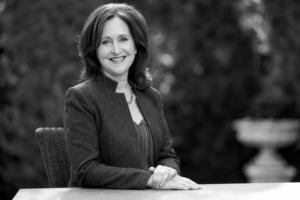 "I don't think I'm doing retirement right yet." A simply honest answer we recently heard from a retiree of six months. And it's something super funds are hearing more. Australia has built one of the world's strongest systems for helping people save for retirement. But as compulsory super matures and more than 2.5 million Australians approach retirement, success can no longer only be measured by the balances members build. It must be measured by how confidently and flexibly they can use them in retirement. How we currently support retirement doesn't match the reality. We trend toward a one-size-fits-all model reflected in online imagery of cruises, golf and sunset beach walks. Yet our research has found one-in-nine HESTA members believe that those 'typical' images don't reflect the retirement they see for themselves. Nowhere is this gap between the stock image and the experience wider than for women, who make up almost 80% of our members. Our system was built around a model of retirement designed for male patterns of work: continuous employment until you were eligible for the Age Pension and a clean stop. That was never going to serve women well. The careers of women are more often interrupted, part-time, and shaped by years spent typically caring for children or ageing parents. Around 47% of HESTA members retired involuntarily, while around 42% provide unpaid care. They live longer in retirement than men and carry that longevity risk with less super to fund it. If we're serious about redesigning retirement, women's experience should be a starting point, not a footnote. Super funds have focused around helping members build wealth. That job remains, but the member relationship now needs to be less about products and more one of trusted adviser. The first step is having the tools to support members to more easily make decisions around their retirement. It was pleasing to hear the Government detailing its commitment last week to progress its Delivering Better Financial Outcomes legislation so funds can more effectively communicate with members. Progress of this legislation will support more Australians getting simple, safe and cost-effective financial advice. This is critical. Leaving most Australians to navigate this life stage alone simply hasn't been working. By way of example, our research indicates retirees are missing out on $2.9 billion in retirement benefits by not shifting to a retirement account, a figure set to hit $5 billion by 2030 without action. Trust that our super system is going to deliver a secure retirement also depends on confidence that you won't be preyed upon by those looking to relentlessly identify and exploit regulatory gaps. That's why the consumer protections announced last week in the wake of the devastating impacts of the collapses of Shield and First Guardian are so important. These are clear examples of progress, but it points to the need to continue to modernise our system as retirement changes. A key part to this is this decade's rise in Australians retiring part-time and 'unretiring'. At our regular retirement seminars we hear from members, with many explaining how a hard stop at retirement can lead to feelings of loss. Of structure. Of income. Of community. Of purpose. Yet a retiree who wants to work is faced with red tape at every step. If they've shifted funds into a pension account, returning to work means opening a new super account. If they're on the Age Pension, they can face effective marginal tax rates above 65%. And they must constantly update Centrelink as their income changes. None of this reflects how people want to retire. Unretirement shouldn't be more stressful than their time in the workforce. This needs to be fixed. Not just for retirees who want to work, but to deliver the productivity and economic benefits Australia needs. First, we should remove employment income from the Age Pension income test. Penalising people for continuing to work, which is often in sectors facing critical skills shortages, like health and community services, serves no one. Second, allowing retirees to top up their retirement income with money earned from work would give them flexibility. Starting a new super account is a needless inconvenience that often comes with a financial cost. These ideas are practical and achievable. They would put more money in the pockets of lower-balance retirees - disproportionately women - while supporting more people to stay engaged in work on their own terms. It can lead to more money running through the economy and help address key skills shortages. For super funds, with new tools to support members, our measures of success need to evolve. Our task now is to ensure we help our members live well with their savings, with the same rigour as shown in building balances. As for the retiree I mentioned at the start, there is no 'right way' but one solution appeared obvious to his family: more golf. The reality for him, as for the retirement system at large, is it's not that simple. Our challenge is to make it so. |


Latest News
AustralianSuper rolls out new investment data platform
|The risks keeping APRA's new deputy chair up at night
Early access undermines super's purpose: Mulino
ART rolls out new investment technology platform

Cover Story

In the right place
CHIEF EXECUTIVE OFFICER
TEAM SUPERANNUATION FUND
Expert Feed

GP Stakes: A new source of diversification and yield for investors
GP Stakes: A new source of diversification and yield for investors

Diamonds in the dust: Finding value beyond big tech