


Planning for loss of capacityBY DANIEL BUTLER, CASSANDRA HURLEY | VOLUME 17, ISSUE 1 A discussion about capacity to make decisions can focus on what control means, how it can be maintained with assistance, and what the client wants to happen when decision-making ... Get articles like this delivered to your email - Sign up for the free weekly newsletter  More Articles |


Latest News
CareSuper rejigs beneficiary nominations, investment options
CareSuper has introduced several changes to its investment options and beneficiary nominations.
Brighter Super expands indexed investment suite
Brighter Super has launched two new low-cost indexed share options, expanding its investment menus to meet adviser demand.
Super payments doubled since July 1: ASFA
Four months into Payday Super, the Association of Superannuation Funds of Australia (ASFA) said the policy is working as intended, with the number of payments going into Australian workers' super accounts each month having more than doubled since July 1.
Two in three Aussies support super top-up for carers
Two in three Australians support a government-funded superannuation top-up for people who take time out of paid work to care for children or other family members, according to new research.

Further Reading
Cover Story
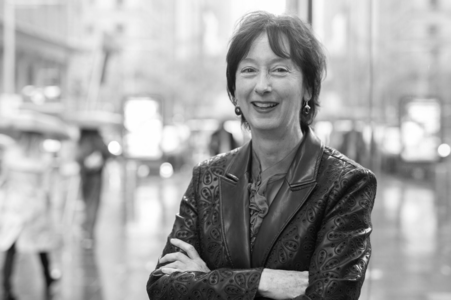
Leading the way
SHARON DAVIS
NON-EXECUTIVE DIRECTOR
FUTURE GROUP AUSTRALIA HOLDINGS PTY LTD
NON-EXECUTIVE DIRECTOR
FUTURE GROUP AUSTRALIA HOLDINGS PTY LTD
Sharon Davis has always been fascinated by the human condition; it has driven her passion for people, her career, and building a better future for the next generation and beyond. Eliza Bavin writes.
Expert Feed

We are not the AI referee: Picking winners, not fights
The AI theme is bigger than one company, and we are genuinely excited by the opportunities it is creating.

Developers go bust - that's not abnormal. Being unprepared is.
What separates the lenders investors should worry about from the ones they shouldn't, is whether a failure was something the lender had planned for.
Why 12% super is crucial
The retirement incomes of millions of everyday working Australians right across the country depend on politicians not stuffing it up.

Asia's capex cycle is broadening beyond AI
Artificial intelligence (AI) has dominated market returns and investor attention for much of the past two years.