

The role of consistency in emerging marketsBY ROB BREWIS | THURSDAY, 11 JUN 2026 12:56PM EMs are often characterised as volatile and unpredictable, and to some extent that is fair. However, a consistent approach can deliver attractive outcomes. |


Latest News
Former APRA deputy chair launches retirement solutions startup
|A former APRA deputy chair has launched CipherIQ, a new venture that provides retirement solutions via account-based pensions in partnership with superannuation funds, financial advisers and retirees.
Trustees lack death benefit claims uplift urgency: ASIC
Two years since ASIC cracked the whip on superannuation funds to improve death benefit claims handling practices, a follow-up review found very little to no improvements have been made.
ASIC to take 'balanced' stance on super advertising ban rules
The corporate regulator said it promises to take a "balanced" approach to enforcing new rules around any advertising of superannuation funds during the employee onboarding process, which take effect in a few weeks.
HESTA extends decades-long partnership with J.P. Morgan
J.P. Morgan will continue to deliver custodial and fund services for the $102 billion super fund for a further five years, extending their partnership to more than 30 years.

Further Reading
Cover Story

Leading the way
SHARON DAVIS
NON-EXECUTIVE DIRECTOR
FUTURE GROUP AUSTRALIA HOLDINGS PTY LTD
NON-EXECUTIVE DIRECTOR
FUTURE GROUP AUSTRALIA HOLDINGS PTY LTD
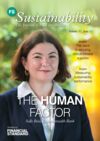
Sharon Davis has always been fascinated by the human condition; it has driven her passion for people, her career, and building a better future for the next generation and beyond. Eliza Bavin writes.
Expert Feed
The biggest risk in real estate today is doing nothing
As we look at the market today, one thing is clear: volatility and geopolitical noise loom large. But the biggest risk we see for real estate is not the ...

Why operational due diligence is more than a governance checklist
Governance isn't proven by policies; it's proven by repeatable decisions, transparent oversight and clear follow-through.

Why defence stocks are no longer off the table for responsible investing
The world is changing, and responsible investing is adapting. Sectors once automatically excluded are no longer off the table for investment.

Why the expanding investment universe changes how alpha is generated
The question for institutional investors is whether they are positioned for the market that is emerging or anchored to the one that is receding.