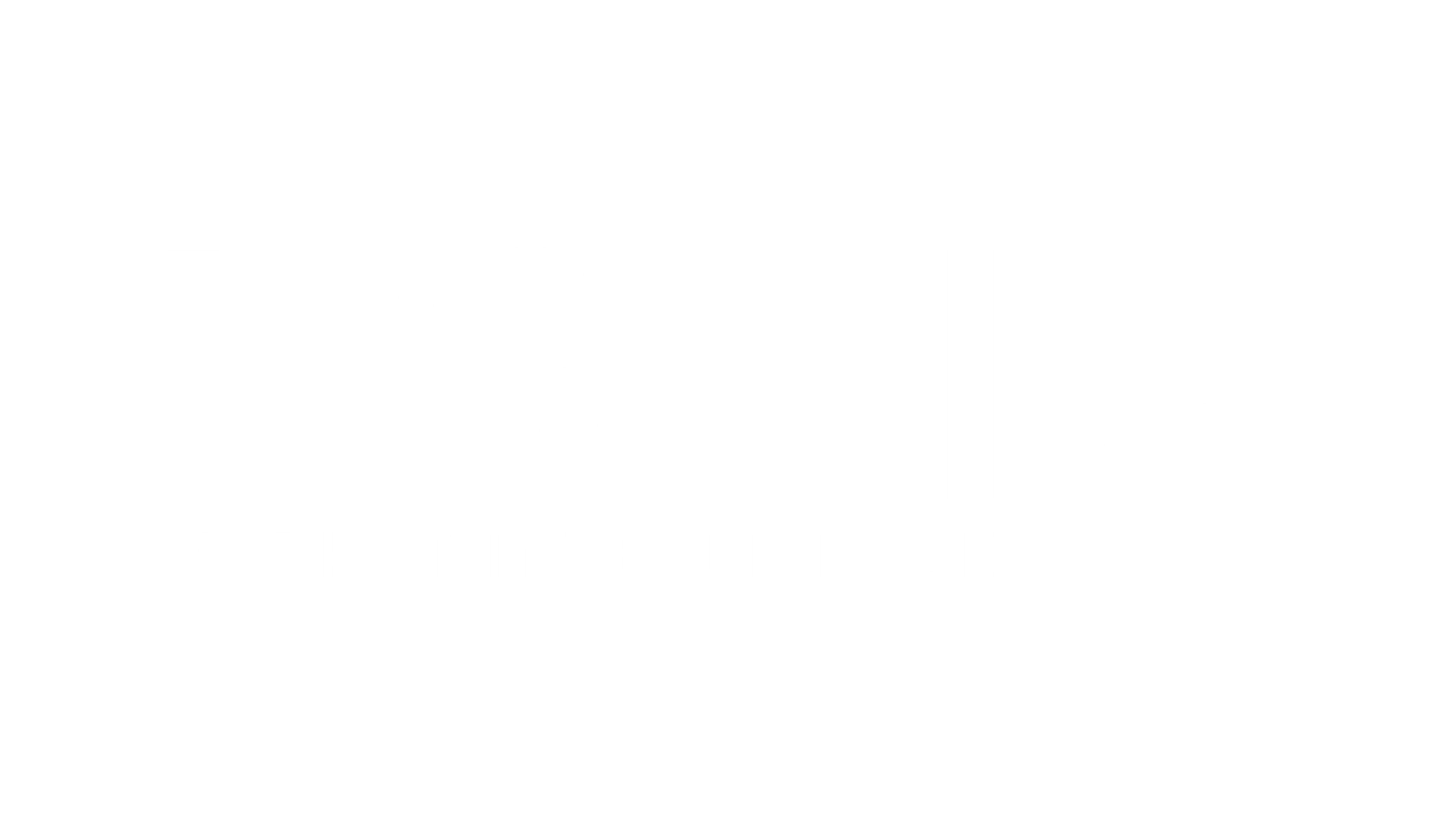


Tim Unger Senior Investment Consultant, Willis Towers Watson (at time of writing) Tim Unger is a senior investment consultant who heads up Watson Wyatt's strategy team in Australia, which is responsible for carrying out the quantitative modelling and research that supports the strategic asset allocation advice that we provide to clients. He is also a member of Watson Wyatt's Thinking Ahead Group.
TIM UNGER , MICHAEL BLAYNEY | MONDAY, 1 JAN 2007 Most outcomes in life are impacted by skill (or a lack of it) as well as noise (random chance or luck). What do we mean by this in practice? We mean that a portion of any outcome is likely to relate to the process that was put in place to produce it ... Read more PAGE: 1 |


Latest News
HESTA extends decades-long partnership with J.P. Morgan
|J.P. Morgan will continue to deliver custodial and fund services for the $102 billion super fund for a further five years, extending their partnership to more than 30 years.
Older Australians drive majority of super complaints: ASIC
Older Australians between the ages of 55 to 75 accounted for half of the internal complaints made to super funds in 2025, according to ASIC's Internal Dispute Resolution (IDR) data dashboard.
Almost half of Aussies not making voluntary super contributions
Almost half of Australians have never made an additional contribution to their superannuation potentially missing out on a significant opportunity to boost their retirement savings according to new research from Vanguard Australia.
ART to employ more First Nations members into its workforce
Australian Retirement Trust has launched its second Innovate Reconciliation Action Plan, highlighting initiatives the super fund will complete by the end of 2028, including setting up a First Nations workforce target.

Further Reading
Cover Story
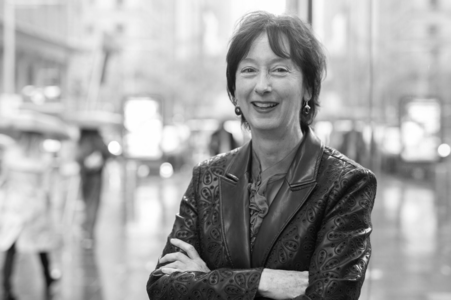
Leading the way
SHARON DAVIS
NON-EXECUTIVE DIRECTOR
FUTURE GROUP AUSTRALIA HOLDINGS PTY LTD
NON-EXECUTIVE DIRECTOR
FUTURE GROUP AUSTRALIA HOLDINGS PTY LTD
Sharon Davis has always been fascinated by the human condition; it has driven her passion for people, her career, and building a better future for the next generation and beyond. Eliza Bavin writes.
Expert Feed
The biggest risk in real estate today is doing nothing
As we look at the market today, one thing is clear: volatility and geopolitical noise loom large. But the biggest risk we see for real estate is not the ...
Why operational due diligence is more than a governance checklist
Governance isn't proven by policies; it's proven by repeatable decisions, transparent oversight and clear follow-through.
Why defence stocks are no longer off the table for responsible investing
The world is changing, and responsible investing is adapting. Sectors once automatically excluded are no longer off the table for investment.
Why the expanding investment universe changes how alpha is generated
The question for institutional investors is whether they are positioned for the market that is emerging or anchored to the one that is receding.